ZAKAT
At Alhasnaat Foundation, we want to make paying your Zakat as easy as possible, which is why we have created a helpful Zakat calculator for your ease and convenience.
Utilise our calculator below to determine the exact amount of Zakat you will need to pay this lunar year.
NISAB VALUE:
One of the Five Pillars of Islam, Zakat is a fundamental part of being a Muslim. Meaning purification, Zakat is the act of giving a set percentage of your total wealth to charity each lunar year and is required of every sane, adult Muslim whose accumulated wealth exceeds the current Zakat nisab value.
Zakat is so much more than just giving to those in need – paying Zakat is an act of worship. At Alhasnaat Foundation, we understand this wholeheartedly, which is why we strive to ensure that your Zakat payment reaches the most vulnerable and needy communities in the world, quickly and effectively.
Considering all the different items and details that must be kept in mind, understanding the Zakat nisab value and calculating your Zakat can be a challenging task. To address this, the Alhasnaat Foundation team has put together this brief guide explaining everything you need to know about calculating and paying Zakat, including the Zakat percentage of your wealth that must be paid and whether Zakat is tax applicable in the UK.
Zakat Eligible Projects
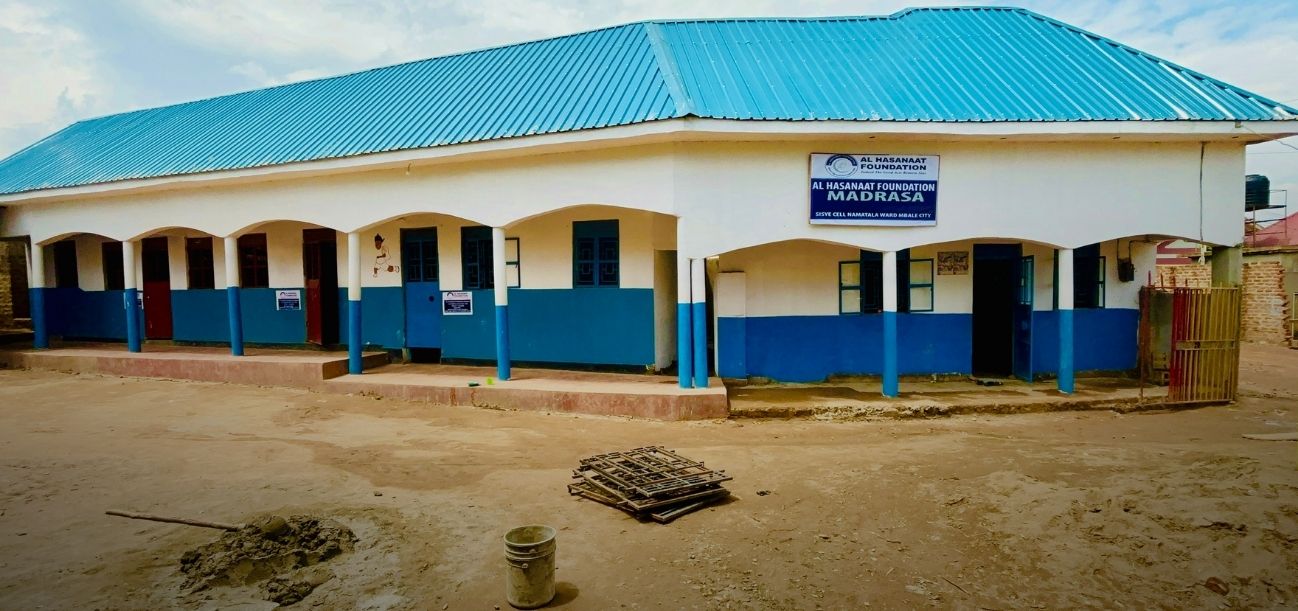


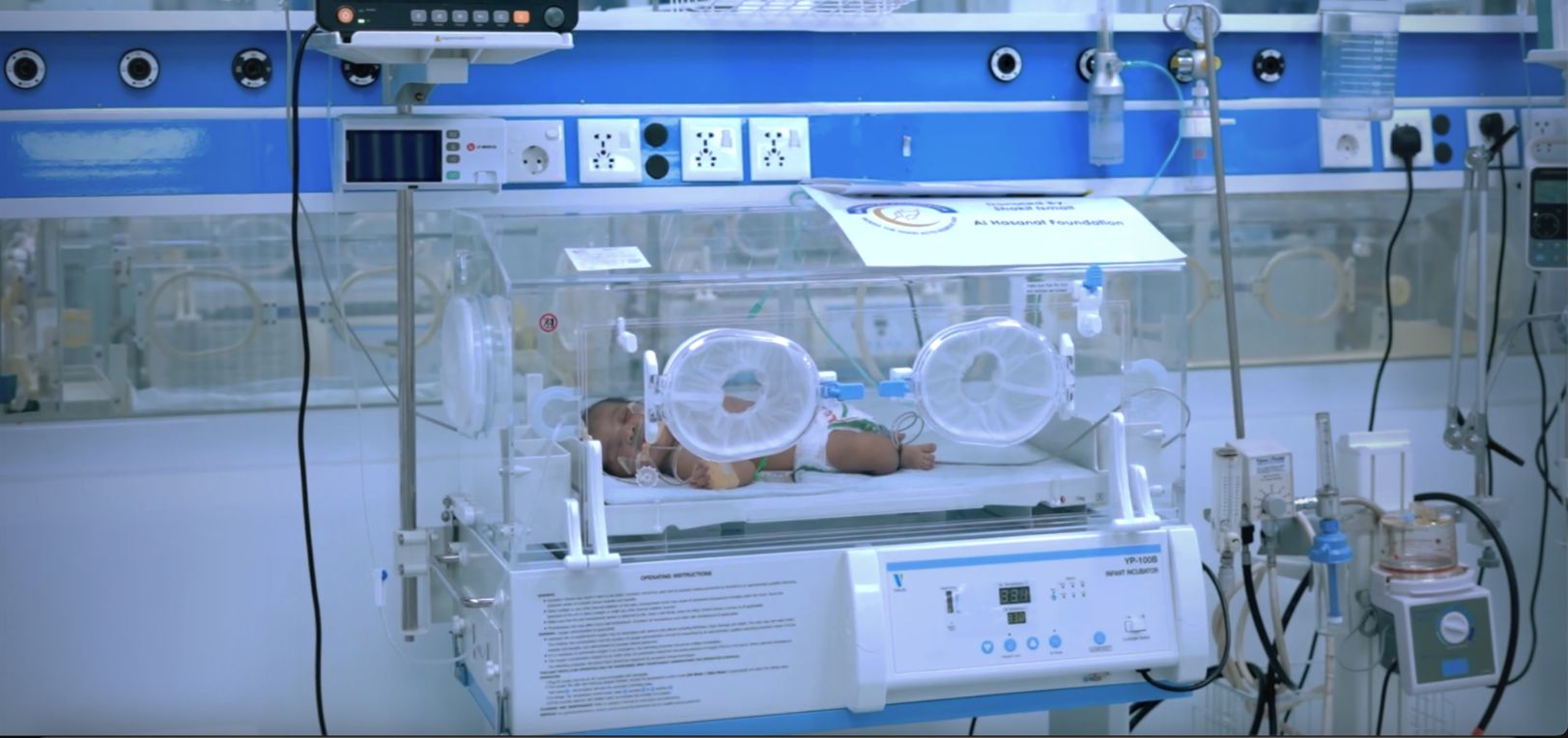

Regular Sadaqah
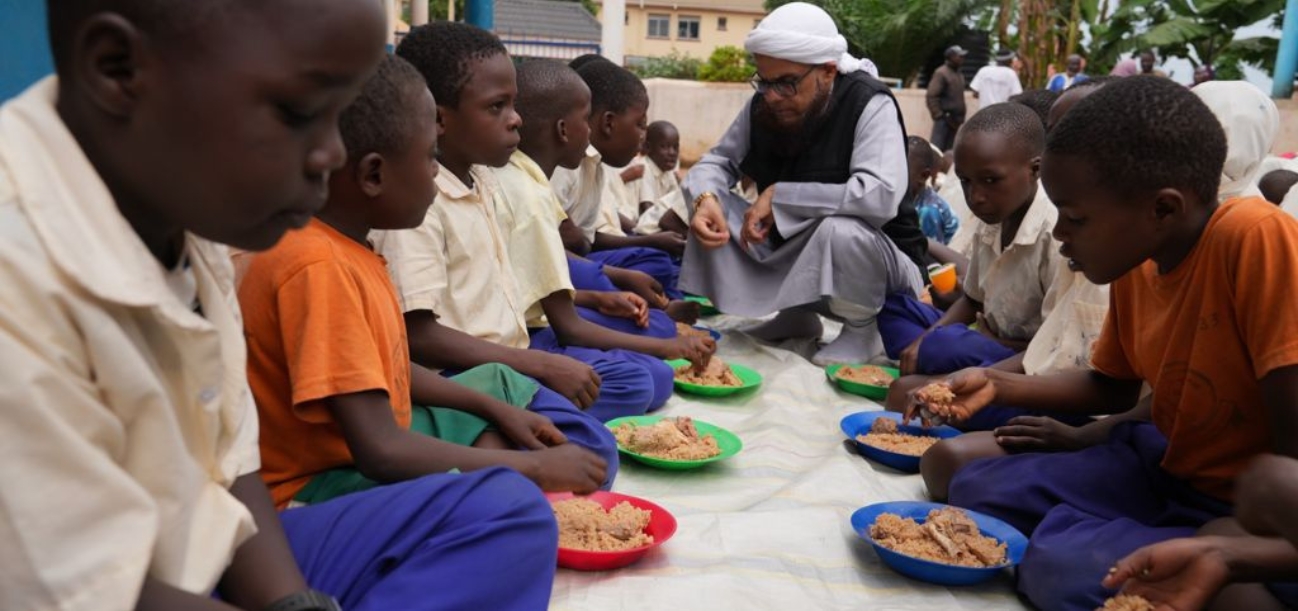
£10 /m Goes towards Quran Majeed Distribution, Food Pack or any water Project. £9 /m Goes towards Quran Majeed Distribution and Food Pack.Sadaqah (charity) is the concept of giving charity voluntarily fi sabillilah فِي سَبِيلِ ٱللَّٰهِ (for the cause of Allah).
Sadaqah also describes a voluntary charitable act towards another being, whether through generosity, love, compassion or faith. These acts are not necessarily physical or monetary. Simple good deeds such as a smile, or a helping hand, are seen as acts of Sadaqah.
Sadaqah Jariyah
Sadaqah Jariyah, an “ongoing charity” or “continuous charity,” is a charitable act or donation that continue to benefit people and earn rewards even after the initial contribution. It is considered one of the most rewarding forms of charity in Islam because it provides ongoing benefits to individuals and communities.
The concept of Sadaqah Jariyah is based on the belief that good deeds continue to benefit the individual who initiated them, even after their death. Therefore, Muslims are encouraged to engage in acts of ongoing charity as a means of earning blessings and rewards both in this life and in the Hereafter.
During Ramadan, the month of heightened spirituality and generosity in Islam, engaging in Sadaqah Jariyah (ongoing charity) holds significant merit and rewards. Many Muslims actively seek opportunities to perform acts of charity throughout Ramadan, including those that qualify as Sadaqah Jariyah, as they believe the rewards for good deeds are multiplied during this blessed month.
Engaging in Sadaqah Jariyah during Ramadan not only serves to benefit others but also allows individuals to maximize their rewards and blessings during this sacred month. Muslims are encouraged to seek out opportunities for ongoing charity and acts of kindness throughout Ramadan, embodying the spirit of generosity and goodwill that characterizes this blessed time.
The Prophet Muhammad (peace be upon him) encouraged Muslims to invest in acts of charity that have a lasting impact, as they serve as a means of perpetual reward and benefit. Sadaqah Jariyah is seen as a way to leave a positive legacy and contribute to the betterment of society for generations to come.
Sadaqah Eligible Projects
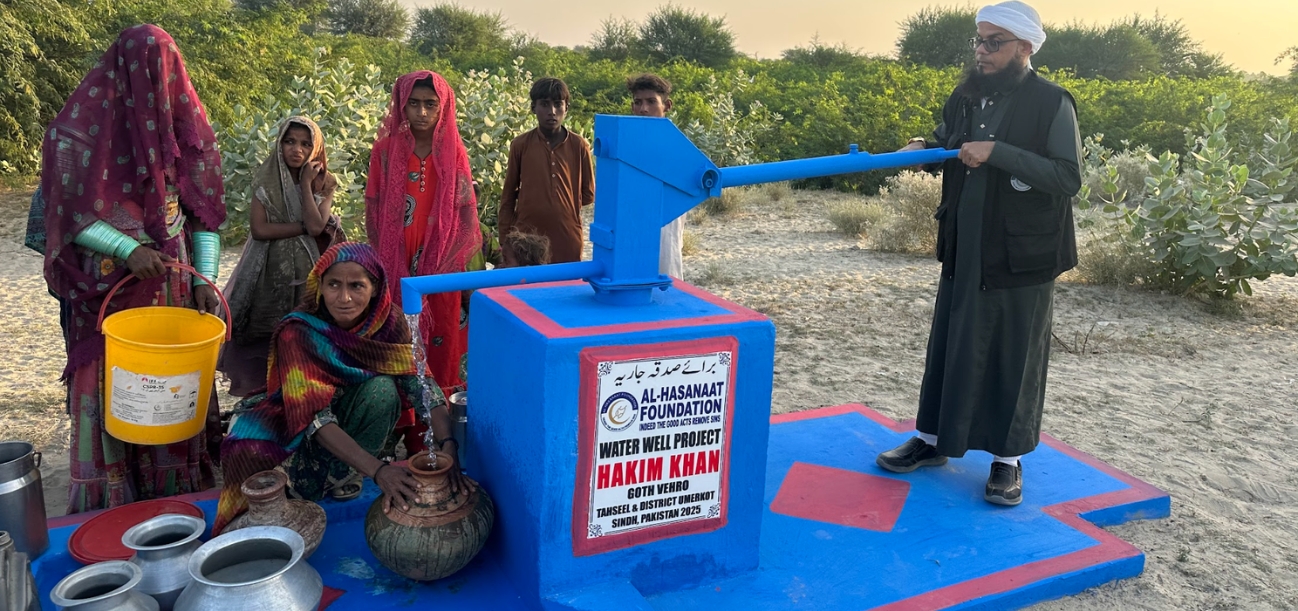
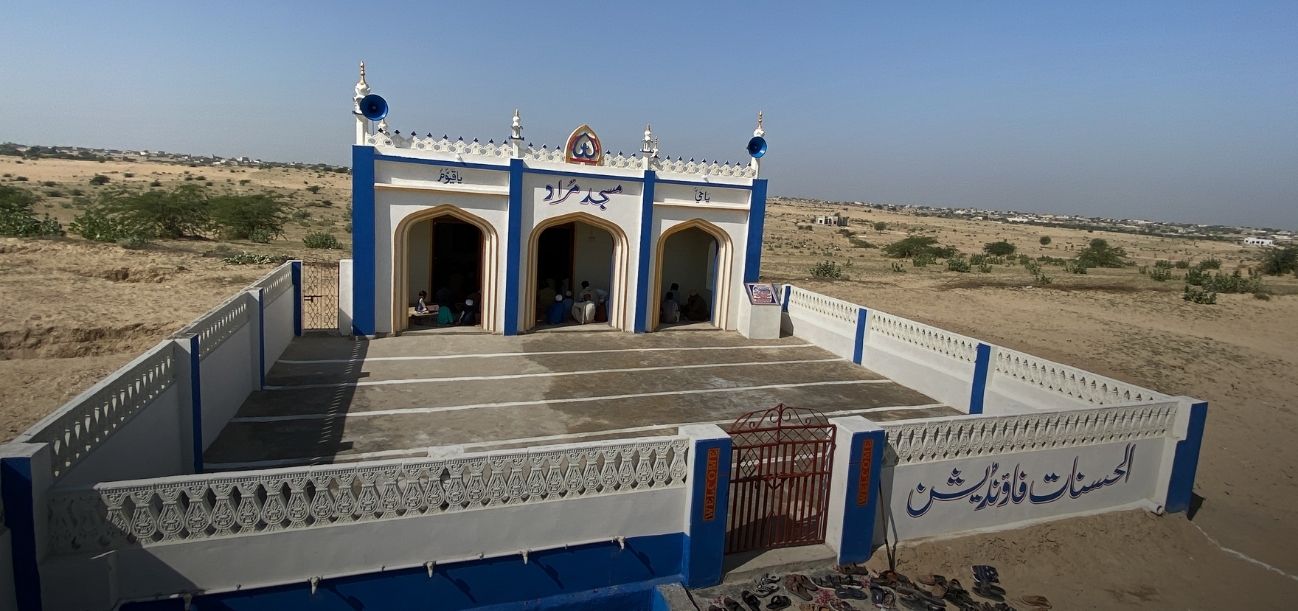
And established prayer and give zakat, and whatever good you put forward for yourselves – you will find it with Allah. Indeed, Allah of what you do, is seeing.