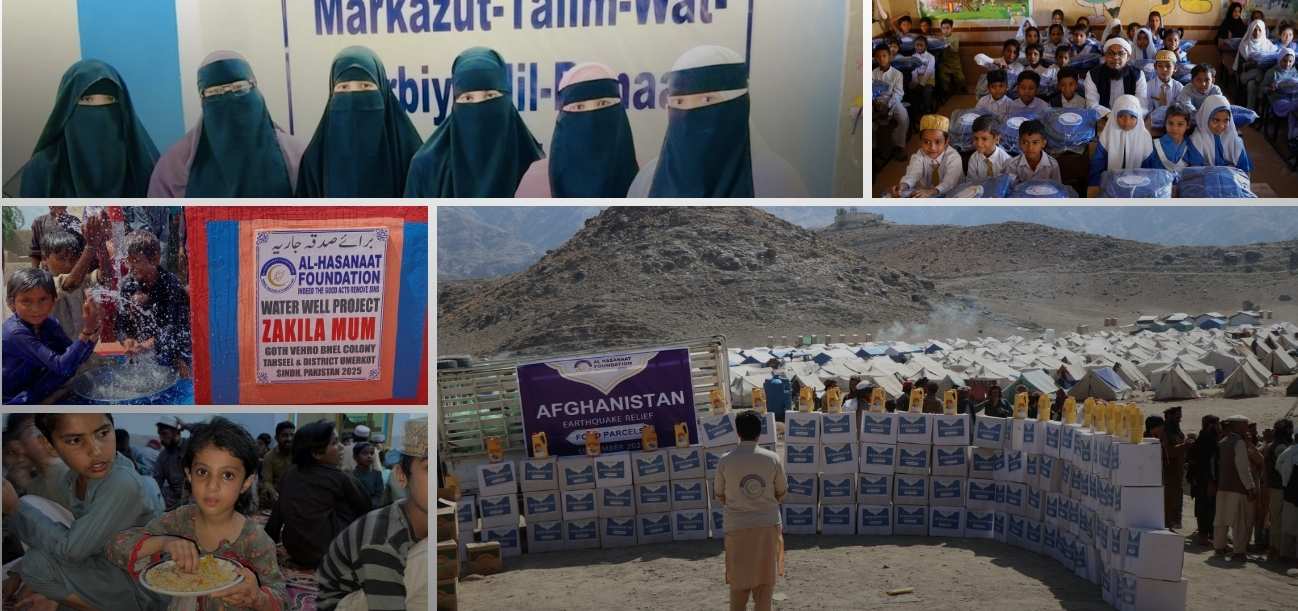
Fidyah & Kaffarah
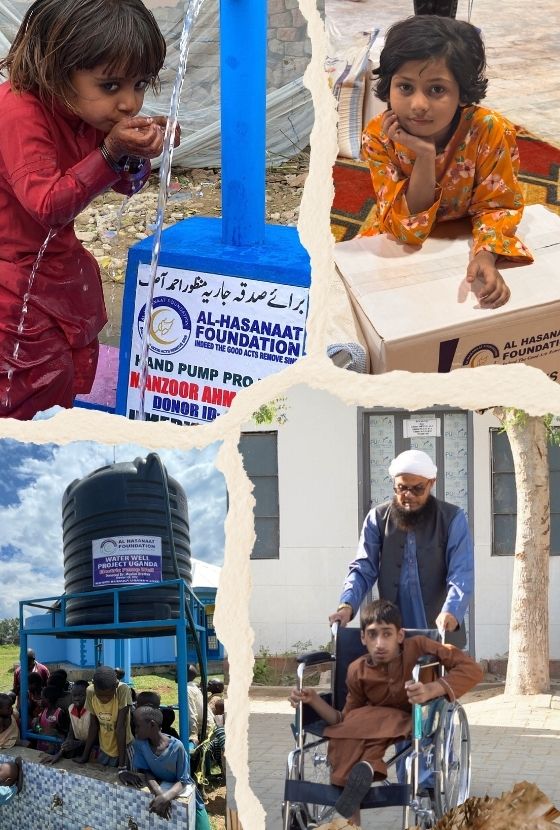
Fidya
When someone cannot fast in Ramadan and cannot make up the lost days at a later date. For example, because of ill health or pregnancy then they are required to pay to feed someone else.
Fidya is primarily for those who are suffering from long term illness or unable to fast due to old age (many scholars also include pregnancy in this category) and are not able to make up the fasts after Ramadan.
Kaffarah
It must be paid for fasts deliberately missed in Ramadan, however if there is a valid reason, then fidya must be paid. Therefore, this penalty is much higher than that of fidya and should be avoided where possible.
It can be paid at any time throughout the year if an individual has missed any fasts during the holy month of Ramadan unnecessarily. Kaffarah must be paid as an obligatory penalty.
How much is Kaffarah for Ramadan 2026?
To atone for the intentionally broken fast, you must fast continuously for 60 days. However, if you are unable to do that, then you have to feed 60 poor people at a rate of £5 per person (the cost of an average meal in the UK). As a result, this amounts to £300 for each intentionally missed/broken fast.
What is the difference between Kaffarah and Fidya?
Kaffarah is payable if you deliberately miss or break a fast without a valid reason. However, fidya is only payable if you miss a fast and have a valid reason. The amount paid in kaffarah for each missed fast is the equivalent of feeding 60 people. However, when paying fidya, the payment for each missed fast is equal to feeding one person.

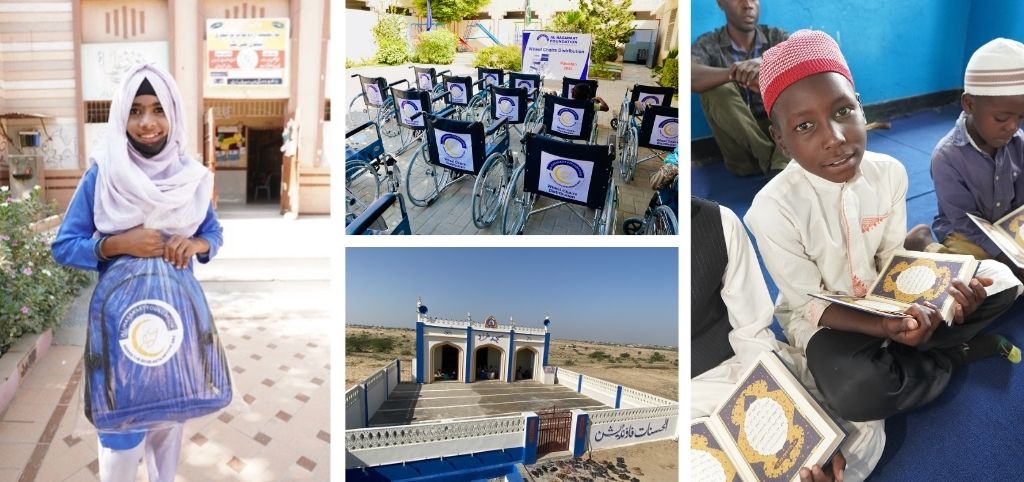

Other Initiatives
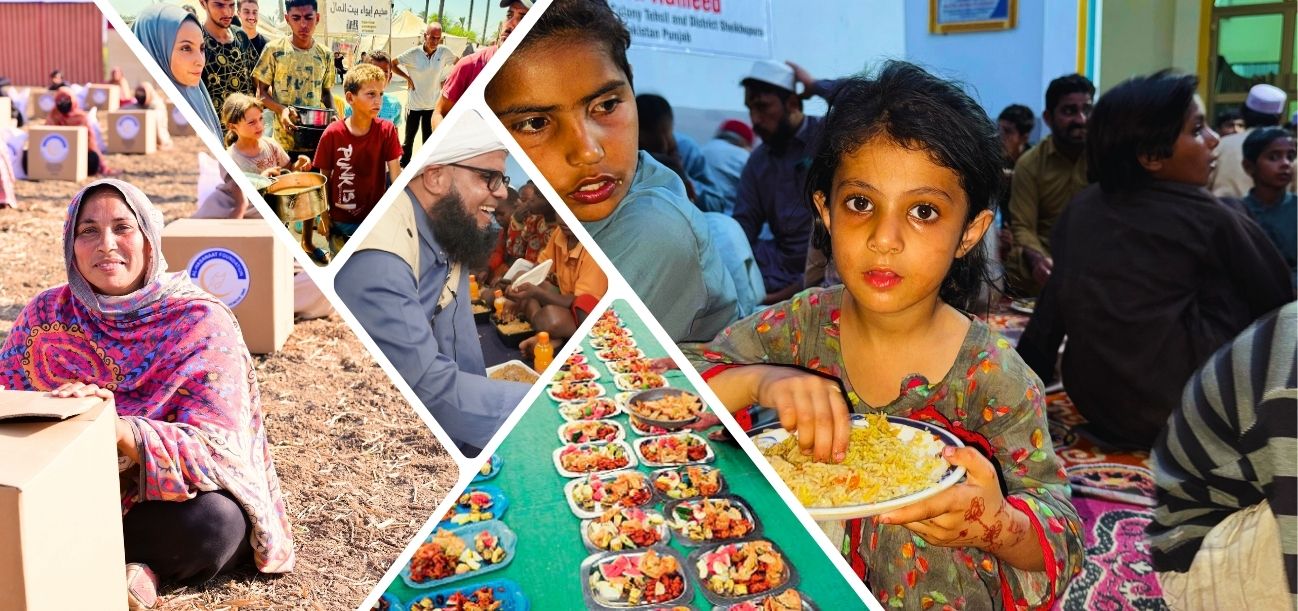

Dig a Water Well
£1000 – Water Well Donate Now In many poverty stricken areas, such as the ...
+ Donate
Uganda Sponsorship Projects
Please donate towards: £30 p/m – Sponsor a child in Uganda Donate Now £360 - ...
+ Donate
Women Empowerment & Marriage Sponsorship
Al Hasanaat Foundation, through its humanitarian vision and commitment to social welfare, has launched a ...
+ Donate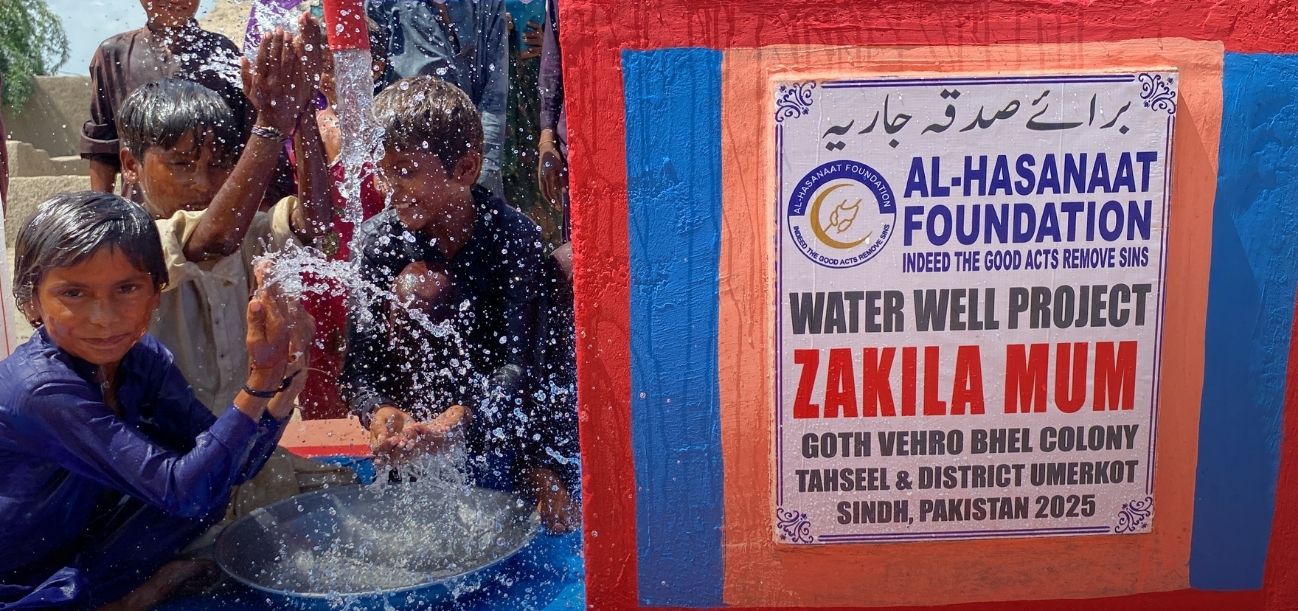
Access to Water
Access to clean and safe drinking water is a blessing that many people in ...
+ DonateFidyah & Kaffarah
Fidya When someone cannot fast in Ramadan and cannot make up the lost days at ...
+ Donate
Gaza Emergency Aid
Team Al Hasanaat Foundation along with chairman Maulana Ali Anwar Qasmi travelling to Jordan on ...
+ Donate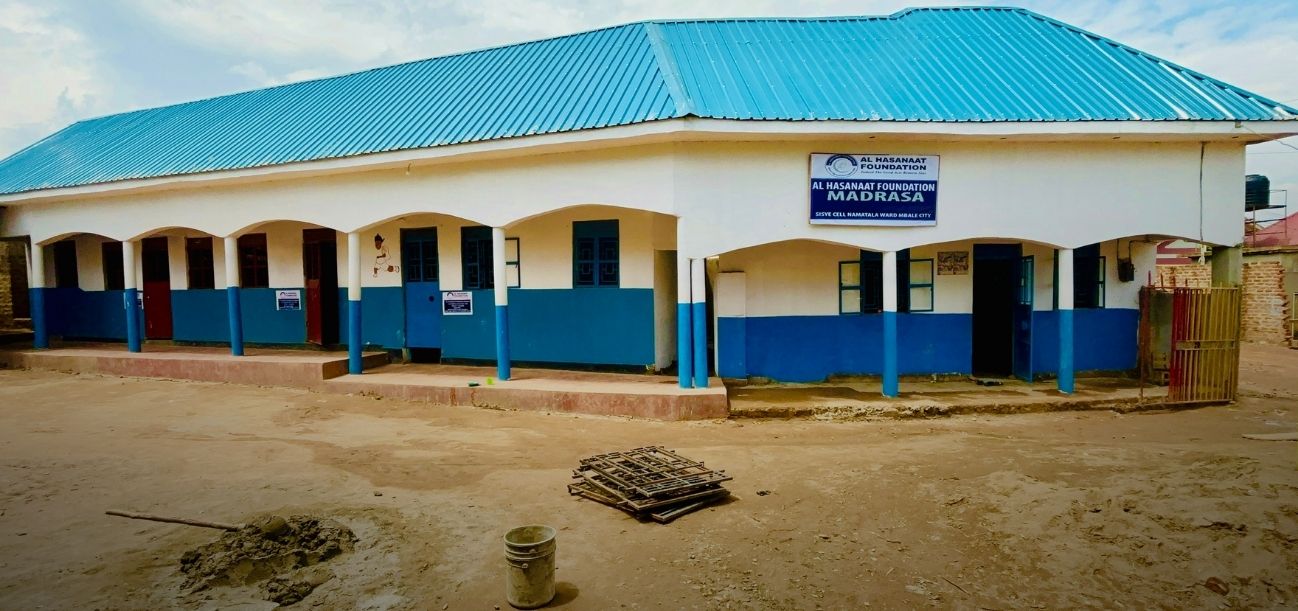
Sponsor a Madrasah
At Al Hasanaat Foundation, we believe that both Islamic and secular education are essential ...
+ Donate
Clean Water
Please donate towards: £300 – REFUGEES WATER TANK - Donate Now £2,500 - SOLAR WATER ...
+ Donate