Rohingya Appeal
Nine years in the camps. Still waiting. Still in need.
Nine years ago, more than a million Rohingya fled a brutal military campaign in Myanmar and crossed into Bangladesh carrying only what they could hold. They are still there. Today nearly 1.2 million people live in the camps of Cox’s Bazar and Bhasan Char — the largest refugee settlement on earth — in bamboo and tarpaulin shelters packed onto steep, eroding hillsides. They are stateless. They are forbidden by law from working. And the aid they depend on is shrinking year after year.
Rohingya refugees in Bangladesh
of the camp population are children
with no right to work and no way home
A Crisis That Has Not Ended — It Has Deepened
Food rations have been cut back for the majority of families in the camps, forcing parents into impossible choices between feeding their children and paying for medicine or schooling. More than half the camp population are children, and many have now spent their entire lives behind the same fences, never having seen the country their parents fled.
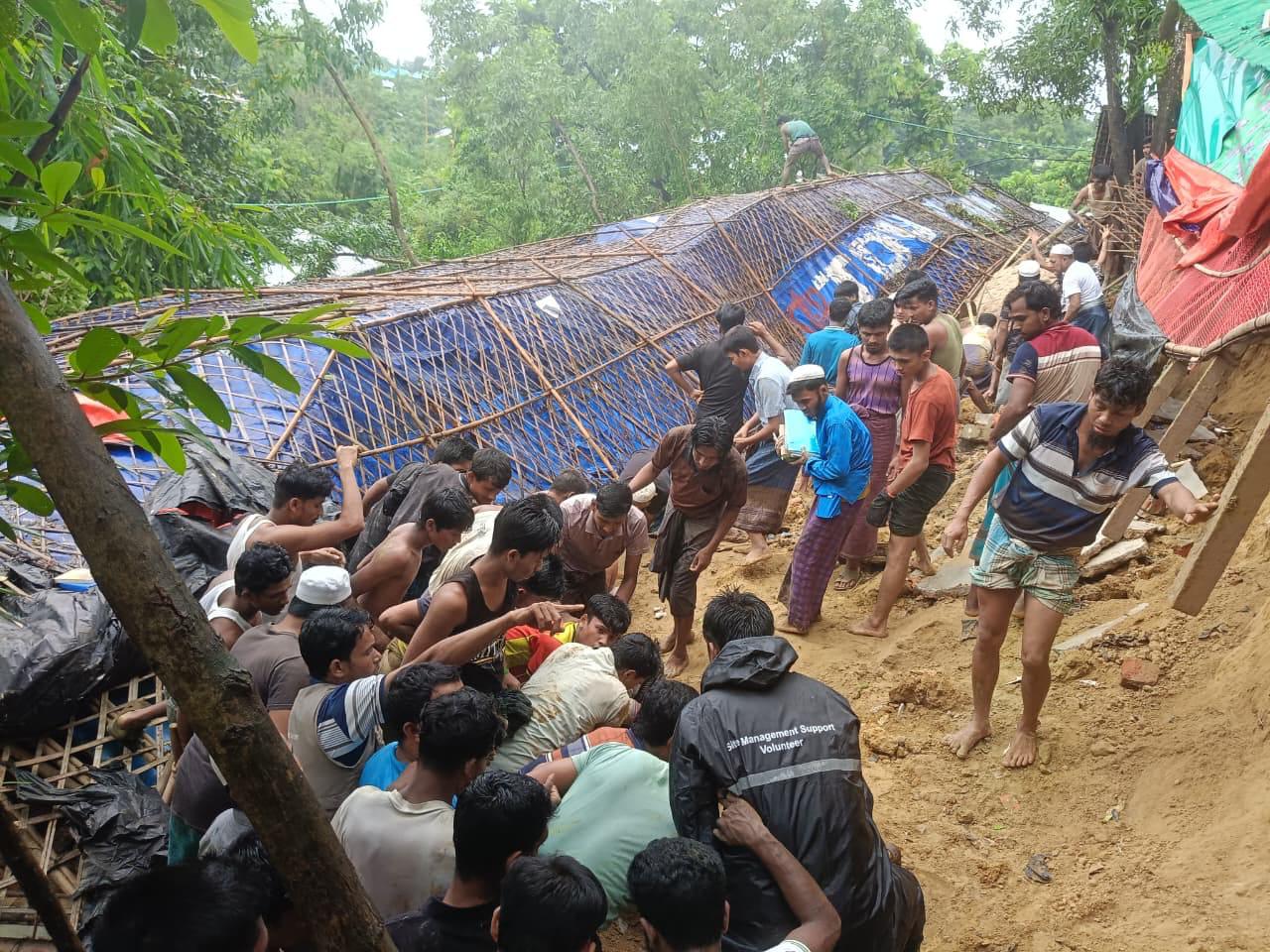
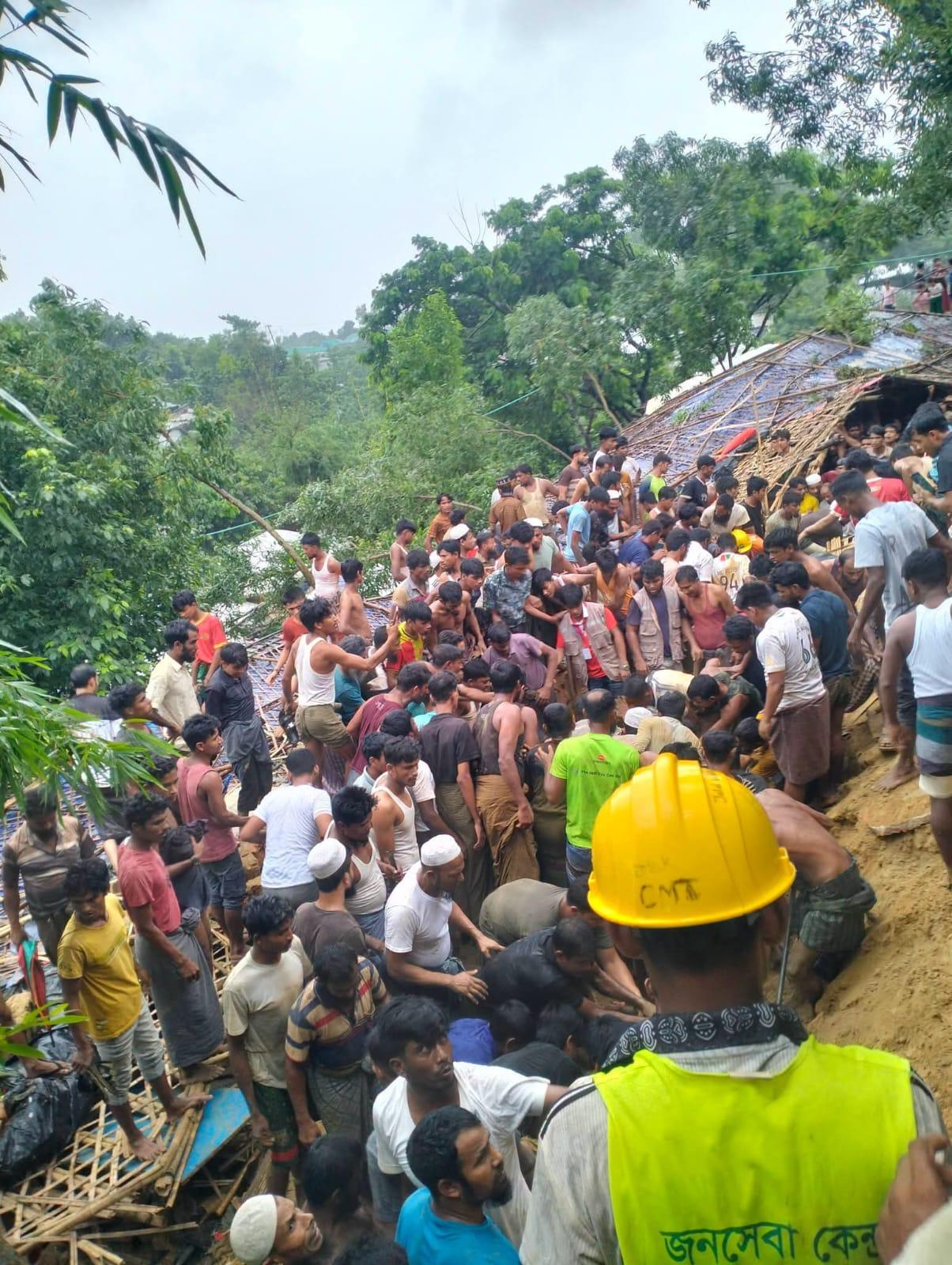
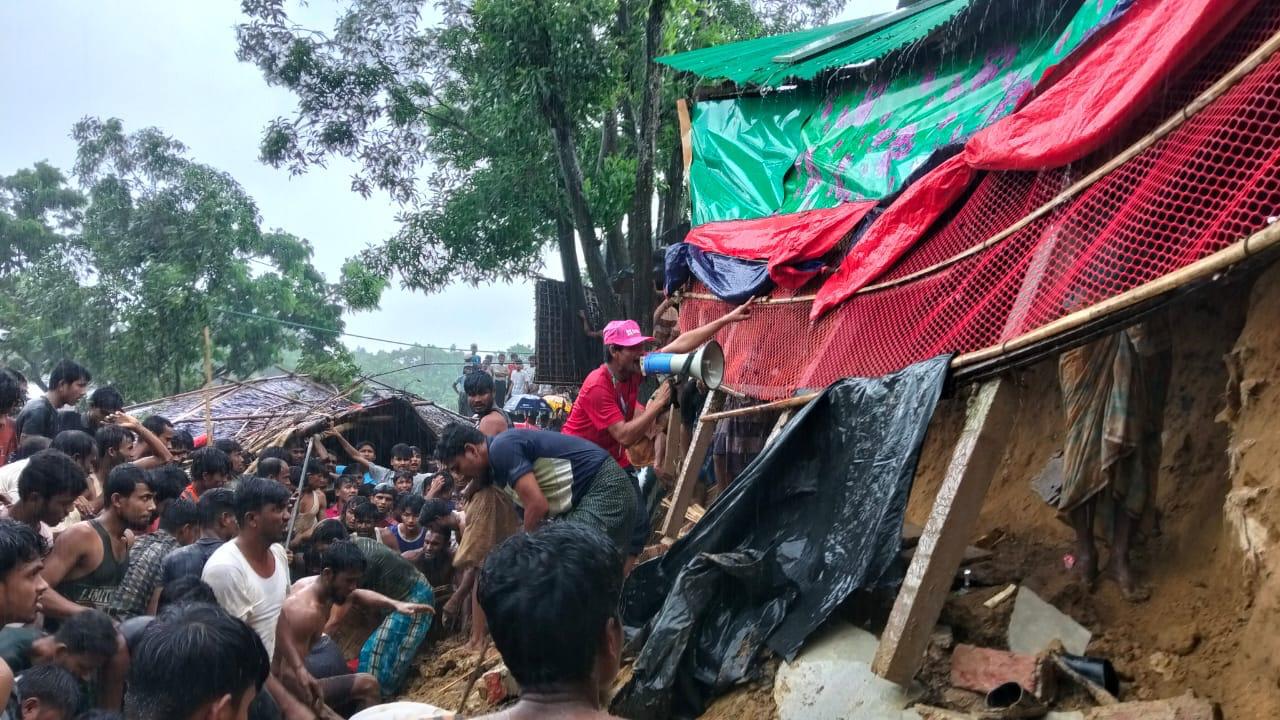
The camps themselves are fragile. Every monsoon brings landslides and flooding that tear shelters from the hillsides. Every dry season brings the risk of fire racing through homes built inches apart. And every winter brings a cold that thin tarpaulin was never built to keep out. For families with no income, no legal status and no way home, each season is survived rather than lived.
They are not asking for luxury. They are asking for food, clean water, warmth, and the chance to earn a living with dignity.
Our Commitment
Al-Hasanaat Foundation works alongside Rohingya families in Cox’s Bazar to meet the needs of today while building something that lasts. Our goal is simple but urgent: to stand beside a people the world has largely forgotten, and to restore not only their survival but their dignity.
That means emergency food reaching families whose rations have been reduced. Winter kits before the cold sets in. Clean water from wells and hand pumps that serve whole communities for years. Cataract operations that restore a person’s sight, and wheelchairs that restore their independence. Education and sponsorship for orphaned children. And sewing machines and rickshaws that give a family a permanent income rather than a temporary handout.
Immediate Relief
- Delivering emergency food packs to families whose rations have been reduced.
- Distributing winter kits — blankets and warm clothing — before the cold season sets in.
- Providing clothing for orphans and children living in the camps.
- Prioritising the most vulnerable: orphans, widows, the elderly and the disabled.
- Working alongside trusted local partners with long-standing access to the camps.
Long-Term Change
- Installing water wells and hand pumps that provide clean, safe water for years to come.
- Restoring sight through cataract operations, and mobility through wheelchairs.
- Supporting orphaned children with sponsorship, education and ongoing care.
- Providing sewing machines and rickshaws so families can earn their own income.
- Helping households move from dependence on aid towards self-reliance and dignity.
Why Livelihoods Matter
Emergency aid keeps a family alive. A livelihood gives them back their independence. A sewing machine allows a mother to earn from inside her own shelter. A rickshaw can support an entire household. For people who have spent nine years legally barred from working, the ability to earn is the difference between surviving and living.
How You Can Help
- Donate your Zakat or Sadaqah to provide food, clean water, winter protection and healthcare.
- Sponsor an orphan and give a child stability, education and care.
- Fund a water well or hand pump as Sadaqah Jariyah — ongoing reward that continues long after you give.
- Provide a sewing machine or rickshaw and give a family a permanent way to earn.
- Share this appeal with family and friends, and encourage others to give.
- Pray for the Rohingya — for their safety, their dignity, and their return home.


Other Initiatives

Dig a Water Well
£1000 – Water Well Donate Now In many poverty stricken areas, such as the ...
+ Donate
Uganda Sponsorship Projects
Please donate towards: £30 p/m – Sponsor a child in Uganda Donate Now £360 - ...
+ Donate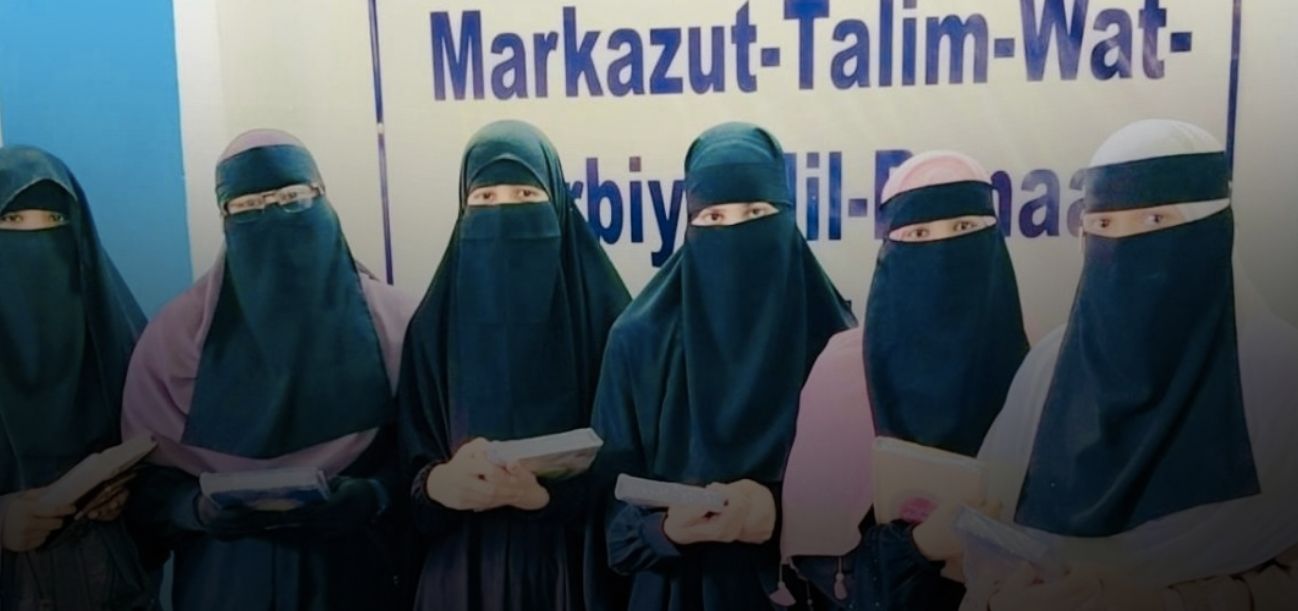
Women Empowerment & Marriage Sponsorship
Al Hasanaat Foundation, through its humanitarian vision and commitment to social welfare, has launched a ...
+ Donate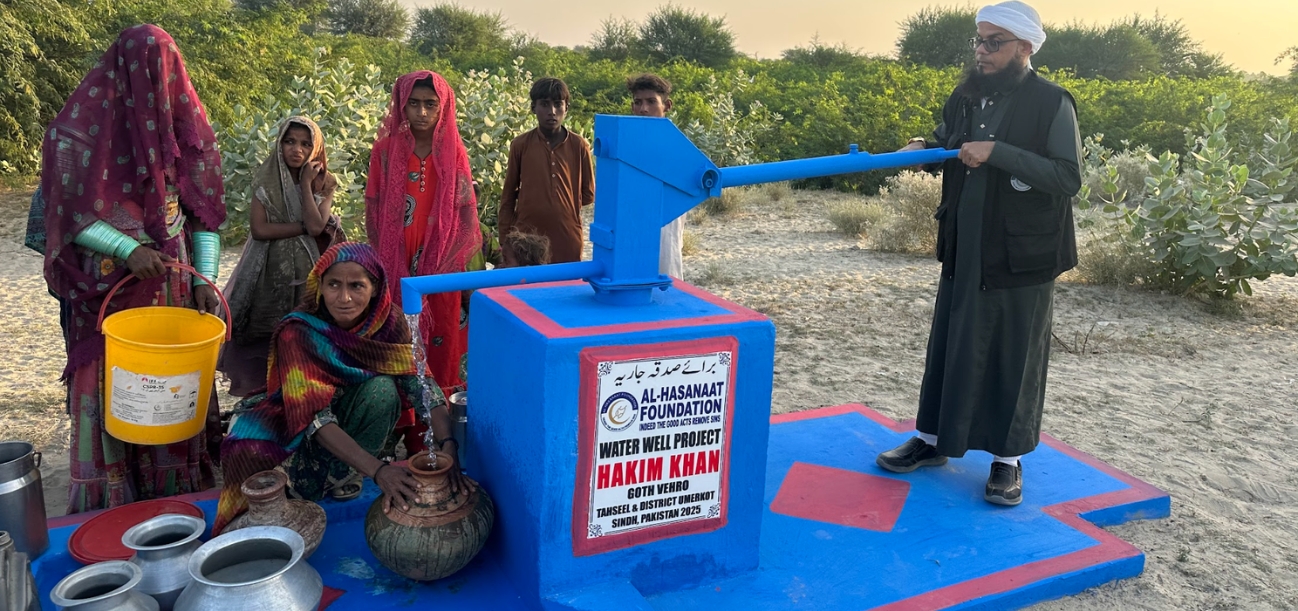
Access to Water
Access to clean and safe drinking water is a blessing that many people in the ...
+ DonateRohingya Appeal
Nine years ago, more than a million Rohingya fled a brutal military campaign in Myanmar ...
+ Donate

Gaza Emergency Aid
The people of Palestine continue to endure unimaginable hardship as the aftermath of conflict has ...
+ Donate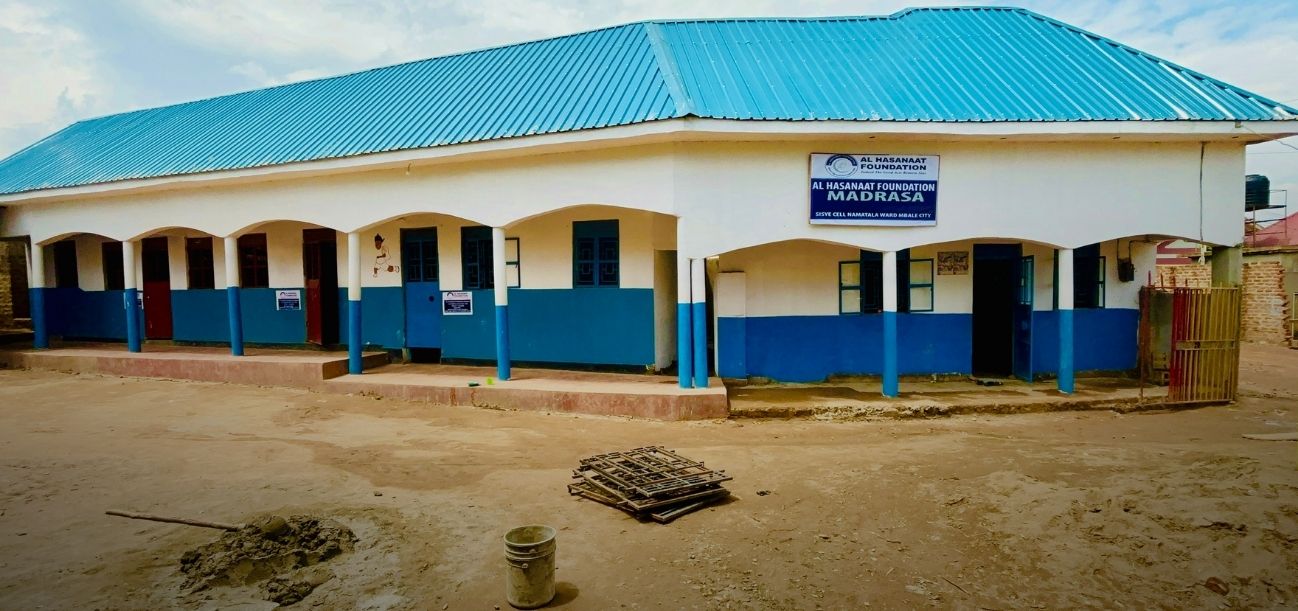
Sponsor a Madrasah
At Al Hasanaat Foundation, we believe that both Islamic and secular education are essential ...
+ Donate